- Home
- ServicesCrafted for Growth
Our development solutions are designed to transform your vision into a thriving success story.
- TechnologiesTech Solutions
We leverage cutting-edge technology to drive efficiency, scalability, and excellence in every project we undertake.
- Contact Us
How to Build a Fintech App: Cost, Features, Development Process & Key Factors
Posted By
naxtre
Published Date
10-12-2025
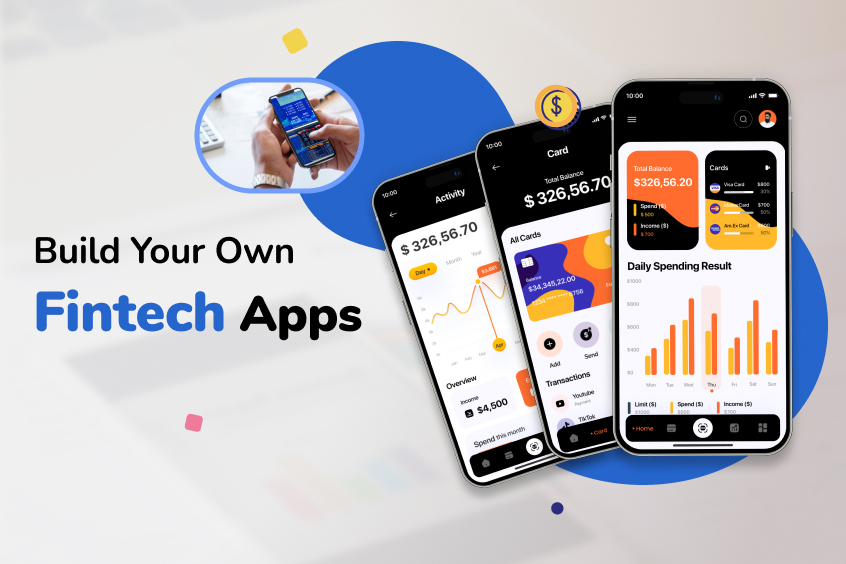
The fintech industry is rapidly transforming the global financial ecosystem. With the rise of digital payments, mobile banking, investment platforms, and online lending solutions, fintech applications have become essential for modern financial services. Businesses and startups looking to enter this space often ask a critical question: how to build a fintech app and how much does it cost?
This detailed guide explains everything you need to know about fintech app development, including development costs, cost by stages, regional pricing, hidden costs, features, development approaches, and business benefits. We also highlight how experienced development partners like Naxtre can help you build secure and scalable fintech solutions.
What Is a Fintech App?
A fintech app is a digital application that uses advanced technology to deliver financial services efficiently, securely, and conveniently. These apps automate and improve traditional banking, payments, investments, and money management.
Popular fintech app types include digital wallets, mobile banking apps, trading platforms, peer-to-peer lending apps, insurance platforms, and personal finance management tools. Each type requires strict security, regulatory compliance, and high-performance architecture.
Must-Have Features of a Fintech App
Fintech apps must balance usability with trust and security. The most successful fintech products focus on user-centric features supported by robust backend systems.
Core features typically include user authentication with multi-factor security, personal dashboards displaying financial insights, secure payment or transaction processing, transaction history, real-time alerts, and in-app customer support. Advanced fintech applications also integrate AI-based fraud detection, budgeting tools, bank APIs, blockchain features, KYC and AML compliance systems, and real-time analytics.
The more complex and advanced these features are, the higher the development cost.
How to Develop a Fintech App: Step-by-Step Process
Building a fintech app requires a structured and compliance-first approach.
The process begins with market research and idea validation, where businesses analyze competitors, identify target users, and understand regulatory requirements. This stage ensures the app solves a real problem while complying with financial laws.
Next comes feature planning and technical architecture. At this stage, companies define whether they want a Minimum Viable Product (MVP) or a full-scale fintech platform. Clear feature prioritization helps control development costs.
UI/UX design follows, focusing on simplicity, trust-building visuals, and seamless navigation. Since fintech apps handle sensitive data, a clean and intuitive design significantly improves user confidence.
Development includes both frontend and backend implementation, API integrations, payment gateways, encryption protocols, and database management. After development, rigorous testing and compliance checks ensure performance, security, and regulatory adherence.
Finally, the app is deployed with continuous monitoring, updates, and long-term maintenance.
How Much Does It Cost to Build a Fintech App?
The total cost of building a fintech app depends on complexity, features, development region, and security standards. A simple fintech MVP can cost considerably less than a full-featured enterprise-grade solution.
On average, a basic fintech app may cost between $30,000 and $60,000, while mid-level apps range from $60,000 to $120,000. Advanced fintech platforms with AI, blockchain, and real-time analytics can exceed $200,000.
Fintech App Development Cost by Stages (Explained)
Instead of a single number, fintech app development cost is divided across stages. The initial planning and research phase includes market analysis, documentation, and compliance research, which adds to early-stage investment.
Design costs depend on design complexity, branding needs, and user experience depth. Development consumes the largest portion of the budget, covering frontend, backend, and integrations.
Security implementation and regulatory compliance also significantly increase costs due to encryption, audits, and certification requirements. Testing and quality assurance follow, ensuring reliability and data protection. Lastly, deployment, hosting, and maintenance represent ongoing costs rather than one-time expenses.
Fintech App Development Cost by Region
Development costs vary globally due to labor rates and expertise availability. North America and Western Europe are the most expensive but offer established fintech ecosystems. Eastern Europe provides a balance between cost and quality. Asian regions such as India offer the most cost-effective fintech development with experienced engineering talent.
Businesses often partner with offshore development companies to reduce costs while maintaining quality. Companies like Naxtre help clients leverage global talent efficiently without compromising security or compliance.
Key Factors Affecting Fintech App Development Cost
Several elements influence the total cost of fintech app development. Feature complexity is the biggest factor, as advanced functionalities require more development time. Security standards significantly affect the budget, since fintech apps must meet strict data protection regulations.
Technology choices such as blockchain, artificial intelligence, cloud infrastructure, and third-party APIs also impact cost. Regulatory compliance requirements differ by region and can add legal and operational expenses. Additionally, choosing native apps over cross-platform solutions increases development effort and cost.
Hidden Costs in Fintech App Development
Many businesses underestimate hidden costs, leading to budget overruns. Regulatory approvals and compliance audits are ongoing requirements, not one-time expenses. Third-party services such as payment gateways, identity verification APIs, and analytics tools often have recurring fees.
Cloud infrastructure, data storage, security monitoring, and software updates also add long-term expenses. Scaling the app to handle more users may require additional investment in server upgrades and performance optimization.
Proper planning helps avoid unexpected financial strain.
Ways to Build a Fintech App
Fintech apps can be built using different development models. In-house development offers full control but requires high investment in skilled talent. Outsourcing is cost-effective and allows businesses to collaborate with experienced fintech experts. A hybrid model combines internal strategy with offshore execution.
Many companies prefer outsourcing to specialized fintech app development firms like Naxtre, which provide end-to-end services from ideation to post-launch support.
Why Choose Naxtre for Fintech App Development?
Naxtre is a trusted fintech app development company known for building secure, scalable, and compliant financial applications. With deep expertise in fintech technologies, Naxtre helps startups and enterprises transform ideas into market-ready products.
Naxtre offers custom fintech development, regulatory-focused architecture, advanced security implementation, cost-effective delivery, and dedicated maintenance support. Their strategic approach reduces development risk while ensuring faster time to market.
Benefits of Building a Fintech App
Investing in a fintech app delivers long-term business value. It enhances customer experience, enables faster financial operations, reduces operational costs, and provides actionable data insights. Fintech apps also support scalability and help businesses gain a competitive edge in the digital economy.
Conclusion
Building a fintech app requires careful planning, regulatory awareness, and the right development partner. From cost estimation and feature selection to hidden expenses and security requirements, every decision impacts the success of the application.
With experienced fintech development partners like Naxtre, businesses can confidently build powerful fintech apps that are secure, scalable, and future-ready. A well-executed fintech strategy not only reduces risks but also unlocks new growth opportunities in today’s fast-evolving financial landscape.
Let's Talk
About Your Idea!